Wildlife and Flora: What You'll Actually See
From birds to native plants, the forest's biodiversity is incredible. A practical guide to spotting and identifying what lives here year-round.
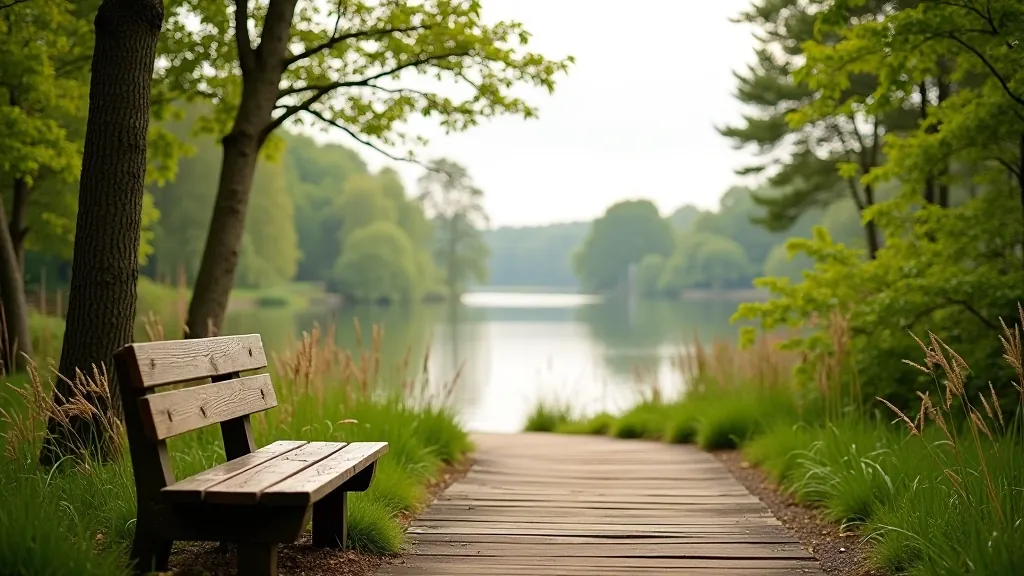
You're walking along the boardwalk at Lough Key and suddenly you spot something moving in the trees. It's easy to miss the wildlife here if you don't know what you're looking for. The forest is genuinely alive with birds, insects, and plants — but you've got to know where to look and what signs to notice.
This guide breaks down what you'll actually encounter on the trails. We're not talking about rare species you'll never see. We're talking about the birds you'll hear every visit, the wildflowers blooming at different times of year, and the signs that tell you an animal's been through recently. By the end of this, you'll spot things other visitors completely miss.
Birds You'll Hear and See
The bird population changes through the seasons, but there's always something to listen for. Spring and summer bring the real activity — that's when migrants arrive and breeding season keeps things loud.
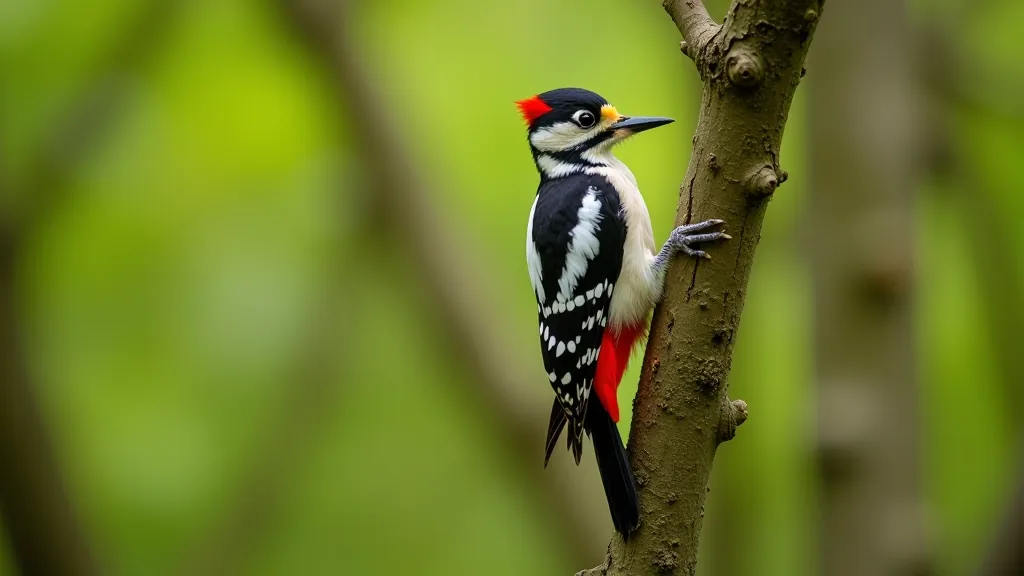
You'll definitely hear the wood pigeon. It's got that distinctive "coo-coo-coo" call that sounds almost lazy. Great spotted woodpeckers are here too — listen for rapid tapping on dead wood in early morning. If you're patient, you might see one. They're striking birds with red underwings and a white patch on the back.
Robins are everywhere. Small, red-breasted, and absolutely fearless around people. Blackbirds — the males are jet black with orange beaks — sing from the canopy in late afternoon. You'll hear them before you see them. Water birds are common around the lough itself. Coots and moorhens are pretty easy to spot on the water. Grey herons stand motionless on the shore, waiting for fish. They're tall, patient hunters and genuinely impressive when you see them up close.
Native Plants and Wildflowers
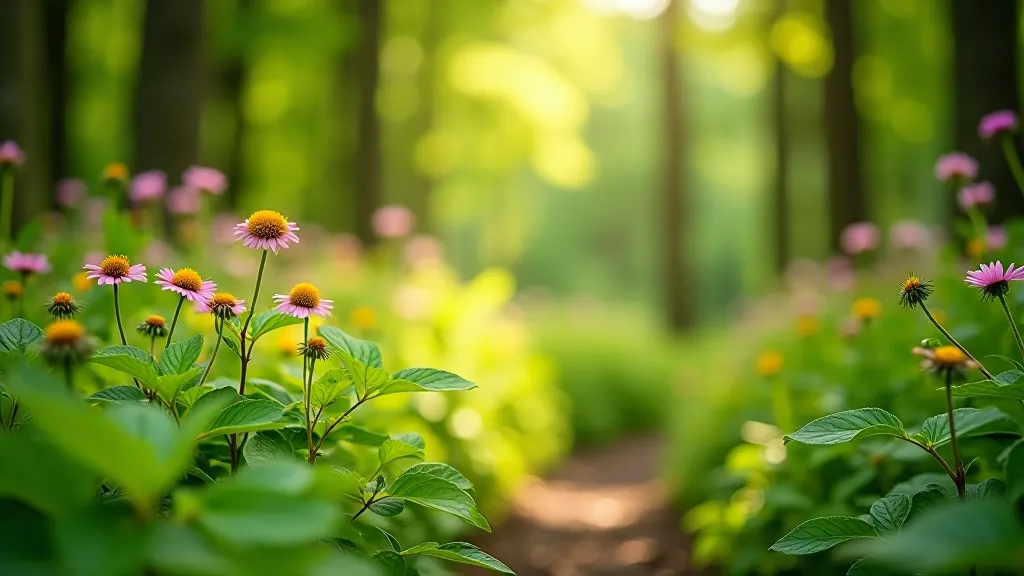
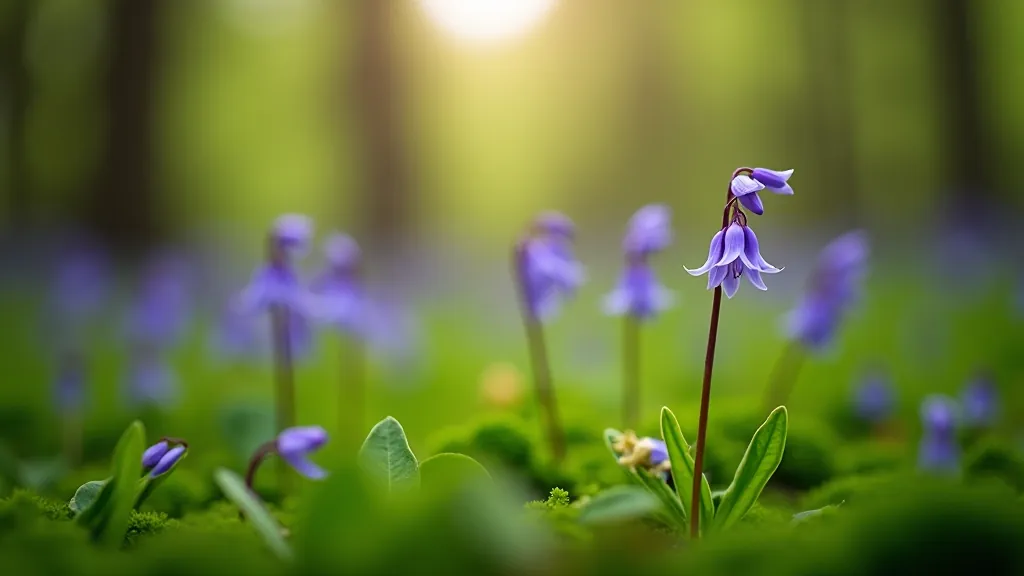
The forest floor changes dramatically across the seasons. Spring is absolutely packed with color if you know when to look. Bluebells bloom in April and early May — they carpet whole sections of the forest floor in purple-blue. Wood anemones bloom earlier, in March and April. They're small, white, and delicate. Primrose flowers are yellow and bloom March through May along damper areas.
Summer brings different plants. Foxgloves grow tall on the forest edges — those pink, purple, or white spikes. They're striking plants but don't touch them; they're poisonous. Wood sorrel flowers are tiny and yellow. You'll find them carpeting shaded areas. The leaves are heart-shaped and actually taste slightly lemony if you're curious.
Ferns are present year-round. Male ferns and bracken are the common ones. They're not flowering plants, but they're genuinely beautiful and add a lot of texture to the understory. By autumn, the wildflowers fade but the foliage colors become the main attraction. Don't overlook the fungi either — autumn is when mushrooms fruit, and there's real variety here.
April-May: Bluebells, wood anemones, primrose, and early ferns unfurling
June-August: Foxgloves, sorrel, late flowering plants, full fern canopy
September-October: Autumn colors peak, fungi fruiting, seed pods forming
A Note on Plant Safety
This guide is informational. We've described plants and wildlife commonly found at Lough Key, but identification in the field can be tricky. If you're interested in learning more about specific species, we'd recommend picking up a local field guide or joining one of the guided nature walks offered at the park. Never eat wild plants unless you're absolutely certain of identification — some plants that look similar are poisonous while others are edible. Similarly, wildlife should always be observed from a distance. Don't attempt to approach or feed animals.
Small Creatures Worth Noticing
Most visitors miss the small stuff. Butterflies are obvious when you see them, but they're not always around. Common species include the orange tip butterfly (the males have distinctive orange wing tips), small tortoiseshell butterflies, and various whites and browns. Summer months are best for butterfly spotting — especially warm, sunny days.
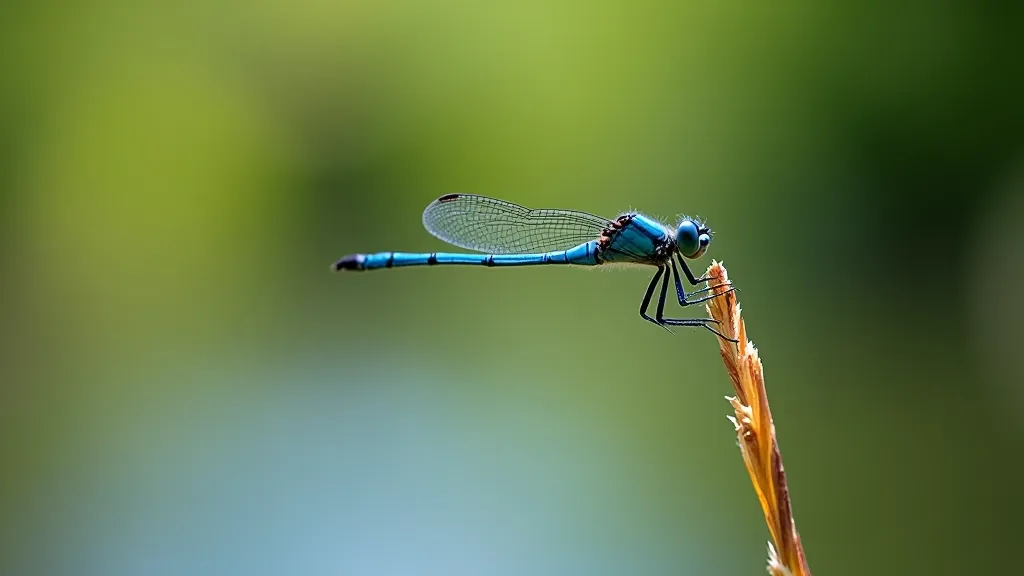
Dragonflies and damselflies patrol the water and damper areas. They're genuinely beautiful — iridescent blues, greens, and reds. They're also fierce hunters. If you sit quietly near the water for ten minutes, you'll definitely see them. Spiders are everywhere, especially in late summer and autumn when webs become visible in the morning dew. They're not dangerous — just let them be.
Look for evidence of larger mammals too. Deer tracks in muddy patches are common. Squirrel droppings and chewed pine cones show you they're about. You might spot rabbit droppings. Badger setts are present but you're unlikely to see the badgers themselves — they're nocturnal and shy. Foxes live here too but again, you'll rarely see them during the day.
How to Actually See Wildlife
Listen First
Most wildlife detection happens through sound. Stop walking periodically and just listen. Birds, insects, and small mammals make noise. You'll hear things before you see them.
Timing Matters
Early morning is genuinely best. Most birds are vocal and active from dawn through 10 a.m. Mammals are also more active early. Evening visits are decent too. Mid-day is often quiet.
Bring Binoculars
You don't need fancy ones. Basic binoculars let you see birds in the canopy that you'd completely miss with the naked eye. Makes a real difference.
Move Slowly
Walking slowly and stopping often is how you notice things. Quick walks miss everything. You're not racing through. Enjoy the pace and let your eyes adjust.
Bring a Guide
A pocket field guide or smartphone app helps with identification. You'll spot something and want to know what it is. Makes the experience more rewarding.
Stay on Paths
It protects the plants and keeps you safe. Wildlife actually appreciates people staying on designated trails. You'll see more by following the boardwalk.
You're Part of the Ecosystem Too
Here's the thing about wildlife spotting at Lough Key — you're not intruding. You're part of the forest too. The birds aren't bothered by quiet visitors. The flowers don't care if you admire them. You're just observing something that's been here long before you arrived and will be here long after.
Every visit reveals something different. Spring is completely different from autumn. A morning visit shows things you'd never see on an afternoon walk. That's what makes coming back worthwhile. The more times you visit, the more you notice, and the more you understand how alive this place truly is.
So next time you're on the boardwalk, slow down. Listen. Look at the forest floor. Watch the water. You'll be amazed at what you've been missing. It's all here — you just need to know where to look.

Related Articles