Walking the Boardwalk: Finding Your Rhythm
Pacing matters when you're exploring. We'll share techniques for sustainable walking and how to find your natural pace.
Read MoreKnowing where to pause makes all the difference. We've mapped the best benches and peaceful spots for taking in the surroundings without rushing.
The Lough Key Forest Park is designed for exploration, but it's not a race. Most visitors who've struggled with their experience will tell you the same thing: they didn't know where to rest. We've spent time mapping out the best rest points, quiet corners, and peaceful viewing areas across the boardwalk and island pathways. You'll find everything from secluded benches overlooking the water to sheltered spots tucked away from the main paths. The park spans over 840 acres, so pacing yourself isn't just comfortable—it's practical.
Quick tip: The best time to visit the quieter spots is mid-morning or late afternoon. You'll have space to breathe and actually hear the wildlife around you.
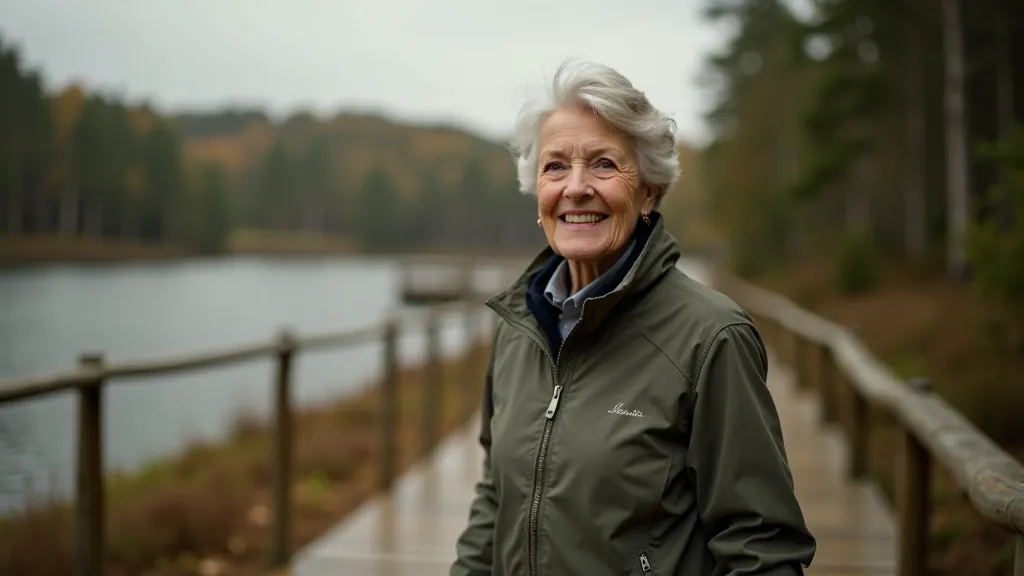
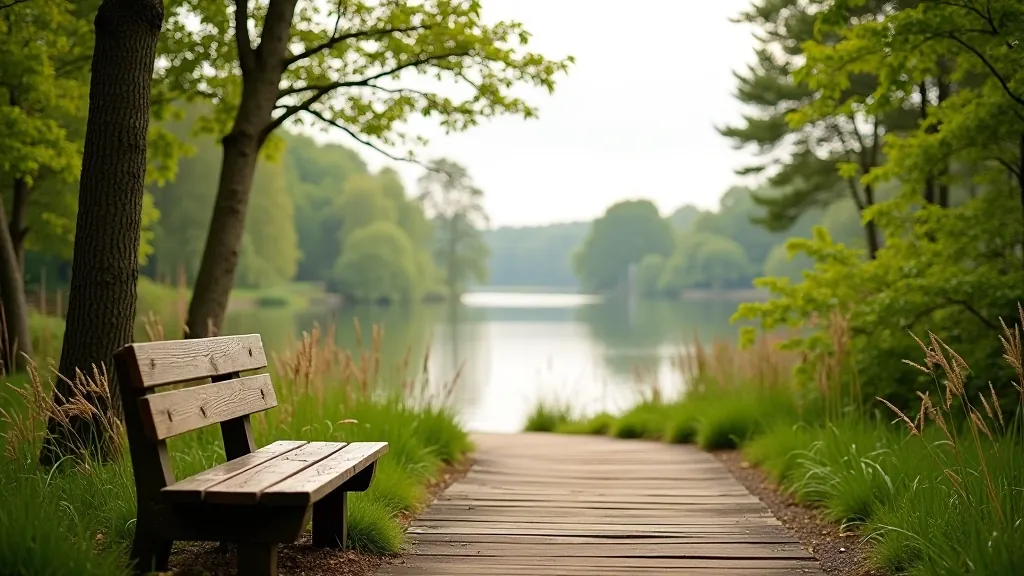
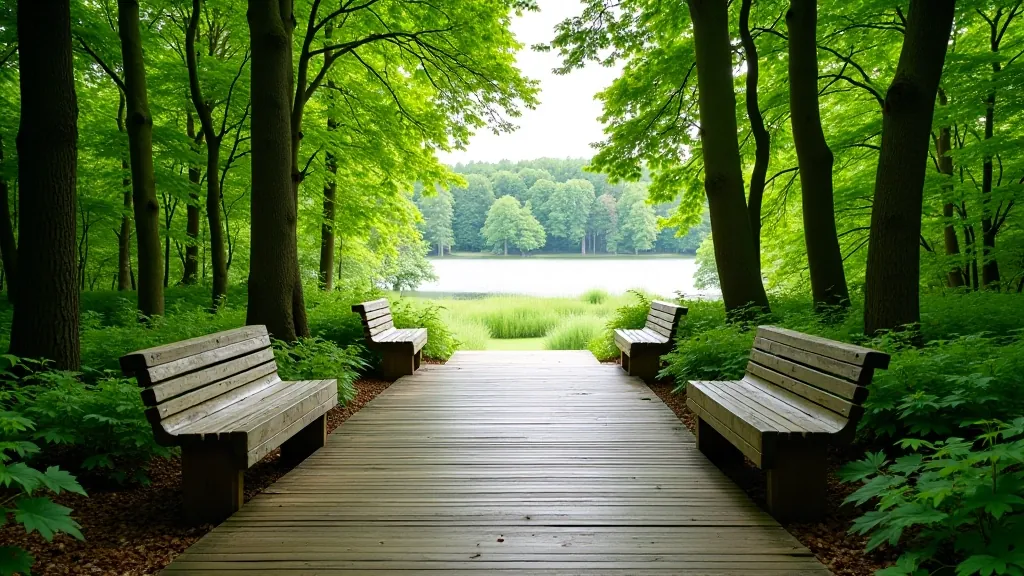
The main boardwalk stretches just over 1.3 kilometers and has eight permanent benches positioned at natural viewing points. We're not talking about basic seating here—these are solid wooden benches built to last, most with backrests and positioned to face the water. The three benches on the north stretch are particularly good if you're watching for waterfowl or just want to sit and let the forest sounds wash over you.
What makes them work is the spacing. You're not sitting right next to someone else's conversation. There's genuine solitude here. The first bench, about 250 meters in from the main entrance, sits at a slight elevation. You'll see across the lough to the tree line and sometimes catch glimpses of herons fishing in the shallows. It's the kind of spot where time actually slows down.
The middle benches—around the 600-meter mark—are sheltered on one side by dense oak and ash trees. They're perfect if the weather's turned slightly drizzly or if you just want a bit of overhead cover. Bring a notebook if you're inclined. People do.
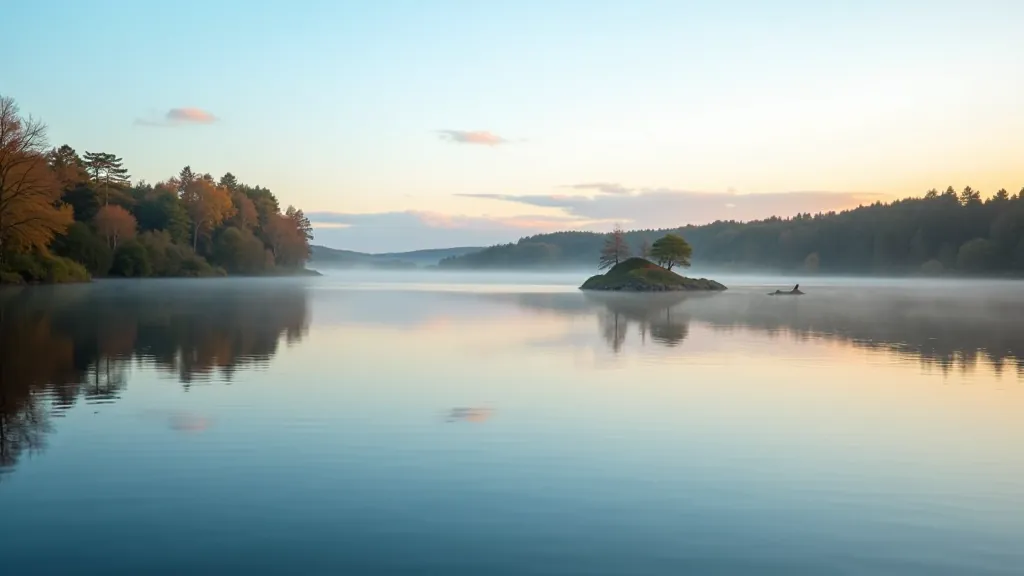
There's something different about the islands. They're accessible by bridges and walkways, but they feel more remote. Most visitors skip them entirely, which means you'll often find them nearly empty. There are five small islands you can reach without a boat, and each one has distinct character.
The largest island—about 4 hectares—has a clearing with three benches arranged in a semicircle. It's like someone deliberately created a meditation spot. The sound changes here. Less birdsong from the boardwalk, more subtle rustling from the underbrush. You're more immersed in the forest itself. We'd say give yourself at least 30 minutes on this island if you find it. Don't rush through.
The smaller islands are quieter still. One has a single bench facing a narrow water channel. Another has a small rocky outcrop where you can sit without a bench at all—just rock, water, and sky. These spots don't appear on every map, but they're maintained and safe. They're just less advertised, which works in your favor.
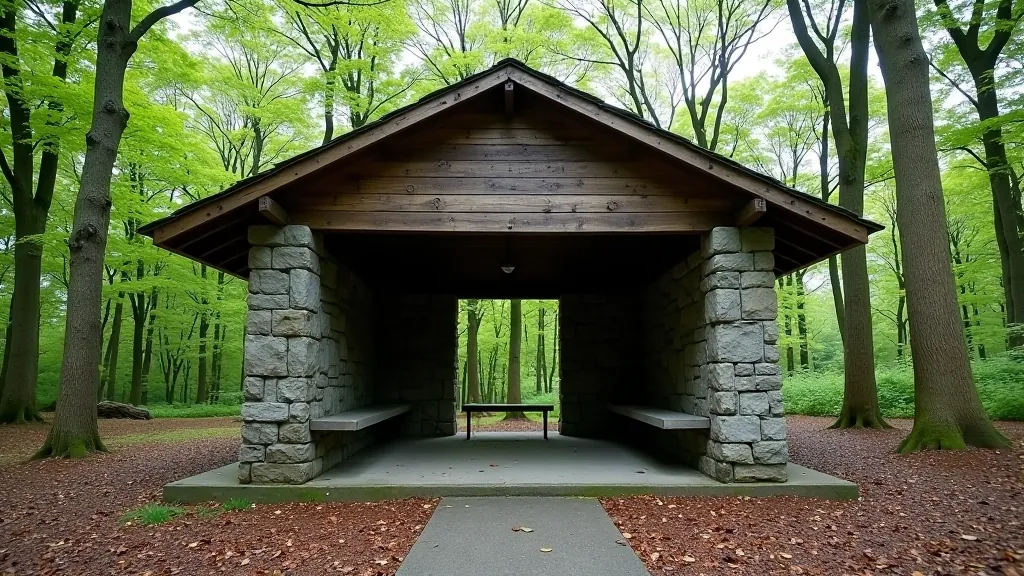
Irish weather's unpredictable. You might start your visit in sunshine and find yourself in a drizzle twenty minutes later. That's where knowing the sheltered spots becomes essential. There are three main covered areas: two small pavilions and one stone shelter built into a slight hillside near the eastern entrance.
The pavilions are basic—roofs, open sides, solid ground underneath. They're not heated or particularly fancy, but they're functional. You can sit, watch the rain, and stay relatively dry. Both pavilions have benches and are positioned to overlook water or interesting forest sections. The stone shelter's different. It's older, built probably fifty or sixty years ago, and it's genuinely atmospheric. You'll feel like you've stumbled onto something with history.
The trees themselves provide shelter too. The thickest canopy sections are around the 800-meter mark of the boardwalk and in several places on the larger islands. In light rain, you can sit under mature oak and barely feel it. Just remember: if lightning's involved, these aren't safe spots. For electrical storms, head back to the visitor center or your car.
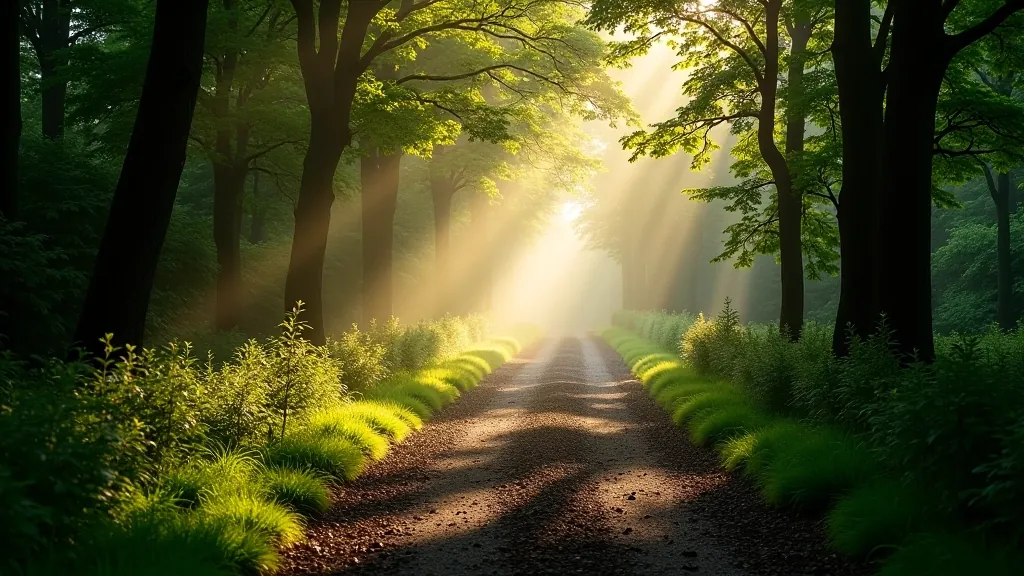
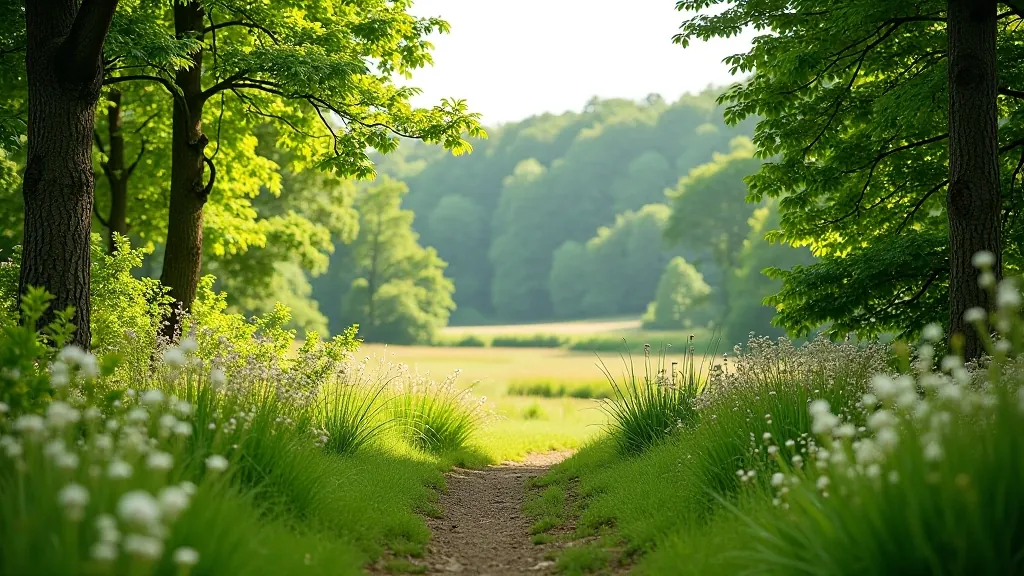
Beyond the main boardwalk and islands, there are quieter areas that require a bit more intention to find. These aren't hidden exactly—they're just not on the standard route. There's a section about 1 kilometer from the visitor center where the path branches slightly. Most people don't take the left fork. It's not less safe; it's just less traveled. That's precisely why it's peaceful.
This area has natural seating—fallen logs positioned well enough to sit on, soft ground underfoot, and a view of a smaller inlet where you'll often see waterfowl. There's no bench, but there doesn't need to be. It's more intimate this way. You'll spend maybe 10-15 minutes walking there from the main entrance, but you'll feel like you've stepped into a different place entirely.
The forest itself becomes your rest point here. There's no facility, no amenity—just trees, water, and quiet. If that appeals to you, it's worth the slightly longer walk. Bring comfortable shoes and maybe a small cushion if you prefer extra padding.
Quieter crowds, softer light, wildlife more active. The boardwalk benches are nearly empty. Perfect for unhurried sitting and listening.
You'll be stopping frequently, so supportive shoes matter. Proper walking shoes, not trainers. Your feet will thank you after the third or fourth rest point.
You'll be sitting still, which means you'll feel temperature changes. A light jacket or fleece is essential even if you start warm.
Don't aim to "do" the entire park. Plan for 2-3 hours maximum, with genuine rest time at 2-3 spots. Quality over coverage.
This article describes rest points and seating locations as they currently exist. Facilities and conditions can change seasonally, and maintenance schedules vary. We recommend checking with the Lough Key Forest Park visitor center or their website before your visit for the most current information about bench availability, path conditions, and any temporary closures. This guide is informational based on typical park conditions—your actual experience may vary based on weather, season, and facility maintenance.
Visiting Lough Key isn't about covering distance. It's about spending time in a genuinely beautiful place and actually feeling the benefit of it. That happens when you stop rushing, find a good bench or quiet corner, and sit long enough for the forest to settle around you. You'll notice things you'd miss at walking pace—the specific calls of different birds, the way light moves through the water, how your shoulders relax when you're sitting still in a peaceful place.
We've given you the map, essentially. The rest points exist. The quiet corners are waiting. What you do with them is up to you. But we'd suggest this: pick one or two spots that appeal to you, arrive with no particular schedule, and give yourself permission to sit as long as you want. That's when a visit to Lough Key becomes something you'll actually remember.